
Kibbe type comparison
Theatrical Romantic vs Romantic
These Romantic-family descriptions share softness. Explore a subtle sharp accent versus a more consistently rounded direction, without treating one facial feature as a verdict.
The key difference
The historical Theatrical Romantic description adds a limited sharp accent to a predominantly soft impression. Romantic emphasizes rounded softness. This is an overall style distinction, not a test of facial sharpness or body size.
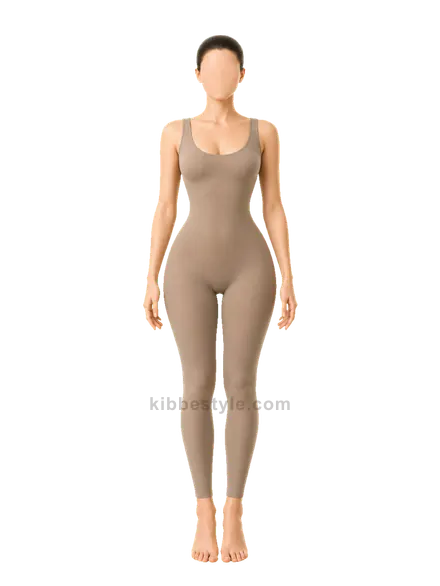
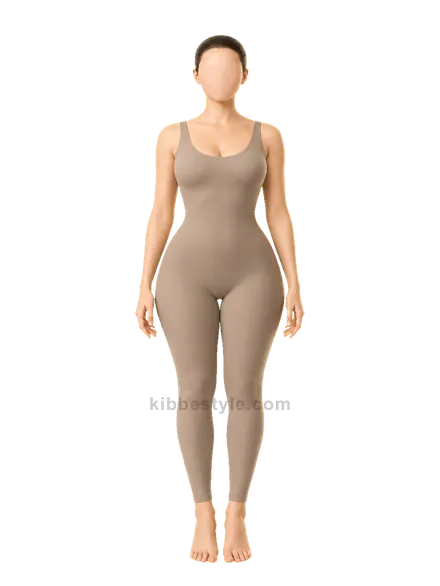
Theatrical Romantic vs Romantic, side by side
| Compare | Theatrical Romantic | Romantic |
|---|---|---|
| Shared starting point | Soft, curved lines. | Soft, curved lines. |
| Detail to explore | A small defined accent within a soft outfit. | Rounded detail continuing the soft direction. |
| Everyday option | A shaped knit with a small angular pendant. | A shaped knit with soft rounded detail. |
| What cannot decide it | One sharp feature or a smaller dress size. | A bust measurement or a preference for dresses. |
Explore Theatrical Romantic when…
- You want to explore soft, curved lines.
- The first outfit example offers details you would like to try
Explore Romantic when…
- You want to explore soft, curved lines.
- The second outfit example offers details you would like to try
What to take away
Compare complete outfits that fit comfortably. Keep notes on the details you enjoy, and leave your identity open if the evidence is mixed. A quiz, one photograph or one garment cannot settle the question.
By KibbeStyle · Independent styling guidance
Start with what they share
Both belong to the Romantic family in the historical framework: the emphasis is on softness and curved lines. The Theatrical Romantic description adds a restrained sharp accent. This is a difference in the overall impression, not a rule that one type is more feminine, more glamorous, or more attractive than the other.
A sharp nose is not a deciding test
A single angular feature can stand out in a close-up without defining the whole person. Avoid choosing a type from a nose, jaw, bust measurement or waist-to-hip ratio. The styling question is whether a small, defined accent works with an otherwise soft outfit. That is an observation to explore, not proof of an identity.
Compare detail without changing everything
Start with the same softly shaped dress or top-and-skirt outfit. Compare rounded detail with a more defined small accessory or neckline. Keep the underlying fit, lighting and pose similar. If one version feels better, note the actual change: size, shape, contrast or fabric. “I prefer this earring” is useful information, but it does not settle a Kibbe type.
Outfit ideas to try with your own clothes
These are KibbeStyle’s outfit suggestions, not diagnostic tests or outfits prescribed by David Kibbe. The sketches show clothing lines, not body proportions.
Romantic direction: soft continuity
A softly gathered blouse, a fluid skirt and rounded earrings.
Notice: Gathering and drape let the outfit follow curves. The rounded details repeat the soft direction rather than introducing a strong edge.
Adjust: If gathers add unwanted bulk, try a smoother fabric or less gathering while keeping the same soft silhouette.
Theatrical Romantic direction: a defined accent
A softly shaped dress with a small angular pendant or a neatly defined neckline.
Notice: The dress stays soft. The pendant or neckline provides a limited point of definition; it does not turn the entire outfit into rigid tailoring.
Adjust: If the accent dominates, reduce its size or contrast. Ornate detail is an option, not a requirement for every casual outfit.
Frequently asked questions
Is Theatrical Romantic simply a thinner Romantic?
No. Weight or dress size is not a useful way to make this distinction. These descriptions concern an overall image and styling direction, not a ranking of body sizes.
Does a sharp facial feature mean Theatrical Romantic?
No single facial feature establishes it. Consider the complete impression, and treat a preference for defined details as a styling observation rather than a verdict.
Can either type wear simple everyday clothes?
Yes. A soft knit with a shaped skirt or trousers can be a practical starting point. Adjust fit, fabric and detail to your preferences; neither label requires eveningwear.
Kibbe Body Type · iOS
Explore the questionnaire on iPhone.
Use the result as a starting point for exploring your style, not a definitive identity assessment.