
Kibbe type comparison
Romantic vs Soft Classic
Both descriptions allow softness. The useful distinction is rounded emphasis versus a more balanced arrangement softened at the edges.
The key difference
Romantic emphasizes rounded softness in the historical framework; Soft Classic combines moderation and balance with softness. Use clothing examples to explore that difference rather than measuring symmetry.
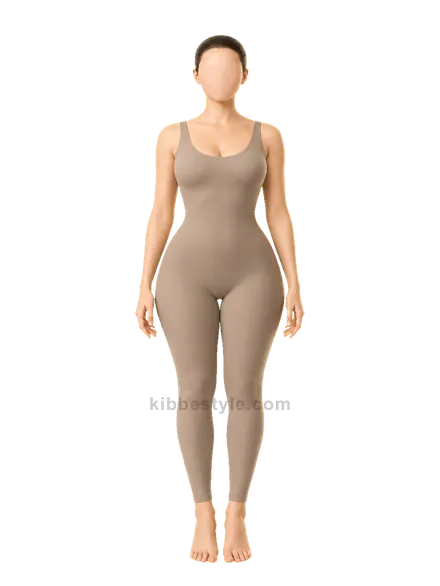
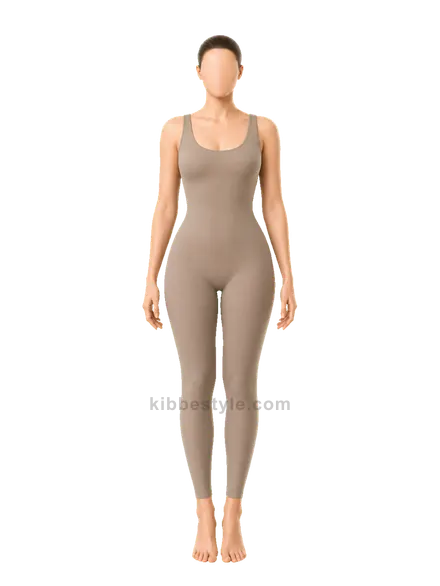
Romantic vs Soft Classic, side by side
| Compare | Romantic | Soft Classic |
|---|---|---|
| Overall direction | Rounded softness. | Balance with a soft finish. |
| Outfit experiment | Soft gathering and fluid curved lines. | Smooth fabrics and gentle tailoring. |
| Detail | Explore repeated rounded shapes. | Explore restrained, evenly arranged detail. |
| What cannot decide it | An hourglass measurement. | Perfect facial symmetry or personality. |
Explore Romantic when…
- You want to explore rounded softness.
- The first outfit example offers details you would like to try
Explore Soft Classic when…
- You want to explore balance with a soft finish.
- The second outfit example offers details you would like to try
What to take away
Compare complete outfits that fit comfortably. Keep notes on the details you enjoy, and leave your identity open if the evidence is mixed. A quiz, one photograph or one garment cannot settle the question.
By KibbeStyle · Independent styling guidance
Softness is the shared starting point
The historical Romantic description emphasizes rounded softness; Soft Classic places softness within a balanced, moderate overall impression. Neither is a measurement of attractiveness or a requirement to have perfectly symmetrical features. A photograph or a single body measurement cannot resolve this distinction.
Compare drape with gentle structure
Try a softly gathered outfit beside a more evenly arranged outfit with light tailoring. Keep color and fit similar. Notice whether extra gathering adds something you enjoy or distracts from the whole. If a tailored garment pulls, correct its size or cut before interpreting the result as a mismatch with a type.
Outfit ideas to try with your own clothes
These are KibbeStyle’s outfit suggestions, not diagnostic tests or outfits prescribed by David Kibbe. The sketches show clothing lines, not body proportions.
Romantic direction: gathered softness
A draped neckline, softly shaped skirt and rounded accessories.
Notice: The fabric and rounded detail repeat one soft direction.
Adjust: Reduce gathering if the fabric bunches instead of falling smoothly.
Soft Classic direction: gentle structure
A smooth knit, lightly tailored trousers and a softly shaped cardigan.
Notice: The outfit uses restrained detail and a clear relationship between the lengths of its pieces.
Adjust: Try a softer fabric if the outfit feels rigid; light tailoring need not mean a stiff suit.
Frequently asked questions
Does being curvy rule out Soft Classic?
No. Curviness alone is not the distinction being explored here. Consider the whole outfit and the relationship between its shapes rather than one measurement.
What if I like both drape and tailoring?
Use both. Compare particular garments, not entire wardrobes, and record the details that help you dress comfortably. A type label should not prevent you from wearing something you enjoy.
Kibbe Body Type · iOS
Explore the questionnaire on iPhone.
Use the result as a starting point for exploring your style, not a definitive identity assessment.