
Kibbe type comparison
Dramatic Classic vs Soft Classic
Both are symmetrical and moderate Classics. The difference is which way the balance tips — toward a sharp edge or toward soft flesh.
The key difference
Sharp edge vs soft finish. The Dramatic Classic has crisp, defined bones and features; the Soft Classic has clearly soft flesh and delicate, rounded features.
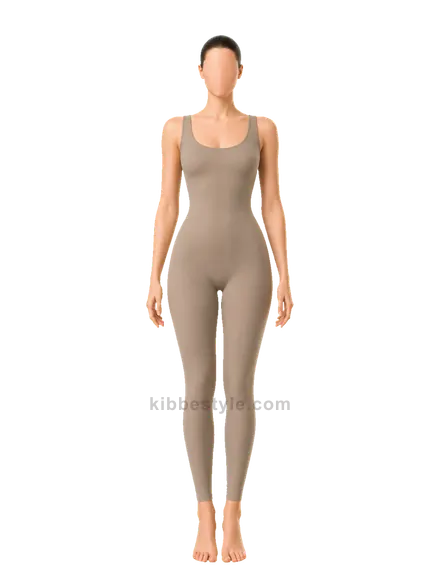
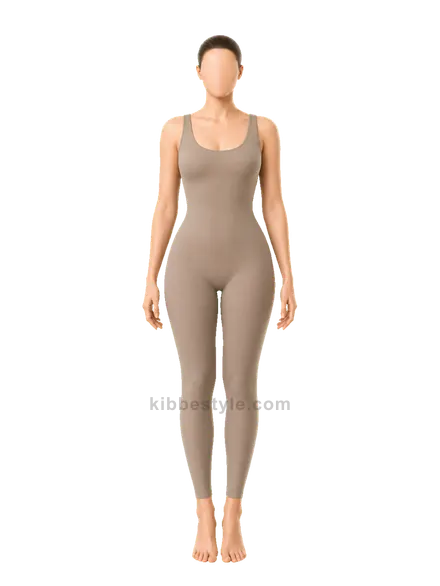
Dramatic Classic vs Soft Classic, side by side
| Compare | Dramatic Classic | Soft Classic |
|---|---|---|
| Edge | A crisp, defined sharp edge. | A soft, rounded finish. |
| Flesh | Moderate and controlled. | Soft and gently curved. |
| Facial features | Subtly sharp and defined. | Delicate, soft, rounded. |
| Tailoring test | Sharp tailoring looks elegant. | Sharp tailoring looks a touch hard. |
| Best clothing | Crisp, clean tailoring. | Softened, gently-waisted tailoring. |
Explore Dramatic Classic when…
- Your bones or features have a crisp, sharp edge
- Sharp tailoring looks elegant
- You read polished and precise
Explore Soft Classic when…
- Soft flesh and delicate features clearly show
- Sharp tailoring looks slightly hard
- Softened tailoring looks lovely
What to take away
Balanced with a sharp, crisp edge → Dramatic Classic. Balanced, but clearly soft → Soft Classic.
Frequently asked questions
What is the main difference between Dramatic Classic and Soft Classic?
Sharp edge vs soft finish. The Dramatic Classic has crisp, defined bones and features; the Soft Classic has clearly soft flesh and delicate, rounded features.
How do I know if I'm Dramatic Classic or Soft Classic?
Balanced with a sharp, crisp edge → Dramatic Classic. Balanced, but clearly soft → Soft Classic.
Kibbe Body Type · iOS
Explore the questionnaire on iPhone.
Use the result as a starting point for exploring your style, not a definitive identity assessment.